



Satin Bonnet Quality Standards: A Manufacturing Guide for Beauty Brands
Looking for reliable satin bonnet manufacturing? Learn the critical technical specs—from GSM to stitching—that define quality and ensure your brand stands out.
Richard
7/15/20264 min read


The Reality of Sourcing Satin Bonnets
As a brand owner, you know the market is flooded with low-cost options. But when you are sourcing for your own label, the difference between a product that builds customer loyalty and one that results in return requests often comes down to the details that aren’t visible in a product photo.
In the factory, we look at sleepwear and hair care accessories not just as fashion items, but as technical textiles. If a bonnet doesn’t hold up after ten washes, or if the elastic loses its tension within a month, it reflects on your brand, not the supplier.
Why Fabric GSM Matters More Than You Think
Most buyers ask about "satin quality," but the real metric is GSM (Grams per Square Meter). Many mass-market bonnets use lightweight, 60–80 GSM polyester satin. It is cheap, but it feels flimsy, lacks durability, and often fails to provide enough friction-reduction for thick or curly hair.
We recommend a minimum of 110–120 GSM for a professional-grade bonnet. This weight provides:
Better Opacity: Essential for vibrant colors or printed designs.
Structural Integrity: The fabric holds its shape during machine washing.
Luxury Hand-Feel: Your customers can feel the difference in density the moment they take the product out of the packaging.


The Technical Side of Stitching and Elasticity
A bonnet is only as good as its construction. In production, we focus on two specific areas that often lead to quality complaints:


Elastic Durability
The elastic casing is the most common point of failure. We use high-grade, heat-resistant elastic that maintains its "memory" after repeated stretching. If the elastic is too thin, it digs into the hairline; too thick, and the bonnet slips off during the night. The balance lies in the precise ratio between the fabric circumference and the length of the elastic insert.
Stitching Tension
If the sewing machine tension is too high, the seams will pucker. If it is too low, the edges will fray after minimal use. We use specialized overlock machines with adjusted thread tension to ensure the hem stays flat and secure. When you inspect a sample, stretch the seam slightly—if you see the thread snapping or the fabric pulling apart, the construction will fail in the consumer’s hands.
Common Pitfalls in Satin Bonnet Production
If you are currently auditing potential factories, here are the three red flags you should look for:
Colorfastness Issues
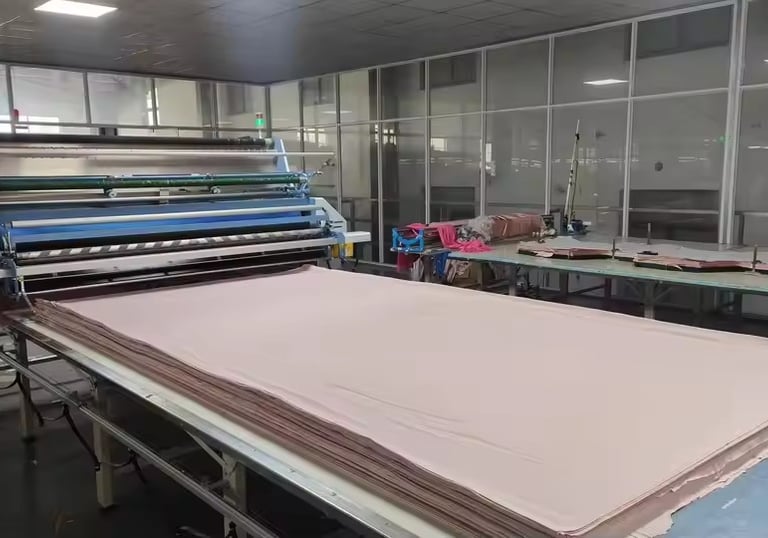
Ask the factory about their dye processes. Does the color bleed when washed? If you are planning a two-tone design, poor colorfastness will result in the darker fabric staining the lighter fabric during the first wash.
Cheap Satin vs. Polyester Blend
Some suppliers market "satin" which is actually a coarse, non-breathable polyester weave. Always request a material swatch and check for the "slip" factor. It should be smooth to the touch, not scratchy.
A factory that doesn’t have a standard QC sheet for batch testing—checking for loose threads, uneven hems, and accurate sizing—is a risk. Ensure they have a final inspection stage before packing.
Lack of Quality Control Protocols


How to Audit a Factory Like a Pro
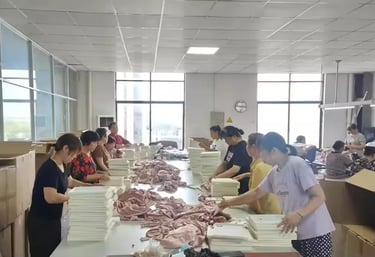
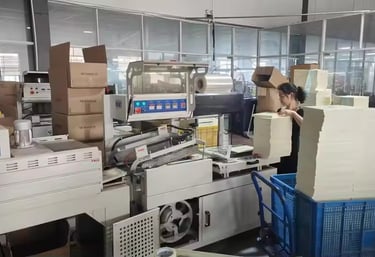
When you visit a factory or request a video walkthrough, look past the clean showroom. Focus on the production floor:
Waste Management: A clean floor indicates an organized production flow and less risk of dirt or oil contamination on your fabric.
Machine Calibration: Ask how often they perform maintenance on their sewing machines. Regular maintenance prevents skipped stitches and uneven tension.
Communication: Can the production manager explain why they choose a specific thread type or stitch density? If they can’t speak to the technical side of the product, you’re likely talking to a trading office, not a manufacturer.


Choosing the Right Partner for Your Brand
At the end of the day, your goal is to deliver a product that protects your customers' hair while representing your brand’s commitment to quality. Whether you are launching a new line or looking to optimize your current production, it helps to work with a partner who understands the balance between cost-efficiency and material standards.
We specialize in helping brands scale without sacrificing the durability that keeps customers coming back. If you are ready to discuss your specific requirements or need a sample to test our construction standards, we are happy to share our production framework.
Qingyan Bonnets
Professional Hair Bonnets manufacturer in China.
Support
richard@qingyan-bonnets.com
Shipping worldwide from China
OEM, ODM, Wholeale Customized
© 2012-2026 Nanjing Qingyan Clothes Co., Ltd Copyright. Terms and Conditions. Privacy Policy.
Friction-free sleep